SILICONE
Silicone Leather

Silicone Leather, explained

A surface material made by coating silicone onto fabric, synthetic leather or genuine leather. Based on our supplier’s catalogue and published industry material, this page gathers what a buyer needs to review it.

What silicone leather is

In one line: silicone leather is fabric, synthetic leather or genuine leather coated with silicone. It does not hydrolyse, is flame retardant without additives, and tolerates wiping with alcohol or diluted bleach. DOWHARA TRADING, a trading company in Daegu, Korea, has supplied Korean-made PVC leather, silicone leather and synthetic leather to buyers in Japan since 1990.

Silicone leather is a coated material: a silicone resin is applied onto a base such as woven fabric, synthetic leather or genuine leather. The key difference is the surface itself, which is silicone rather than PVC or polyurethane (PU). Silicone is derived from silica, the main component of sand.

It is generally made without solvents or plasticisers, so it has little odour and low VOC emissions, and it does not suffer from hydrolysis, the breakdown of a surface under heat and humidity. That is why it is the first choice where seating is used for years and wiped down often: vehicles and rail, healthcare and care homes, hotels.
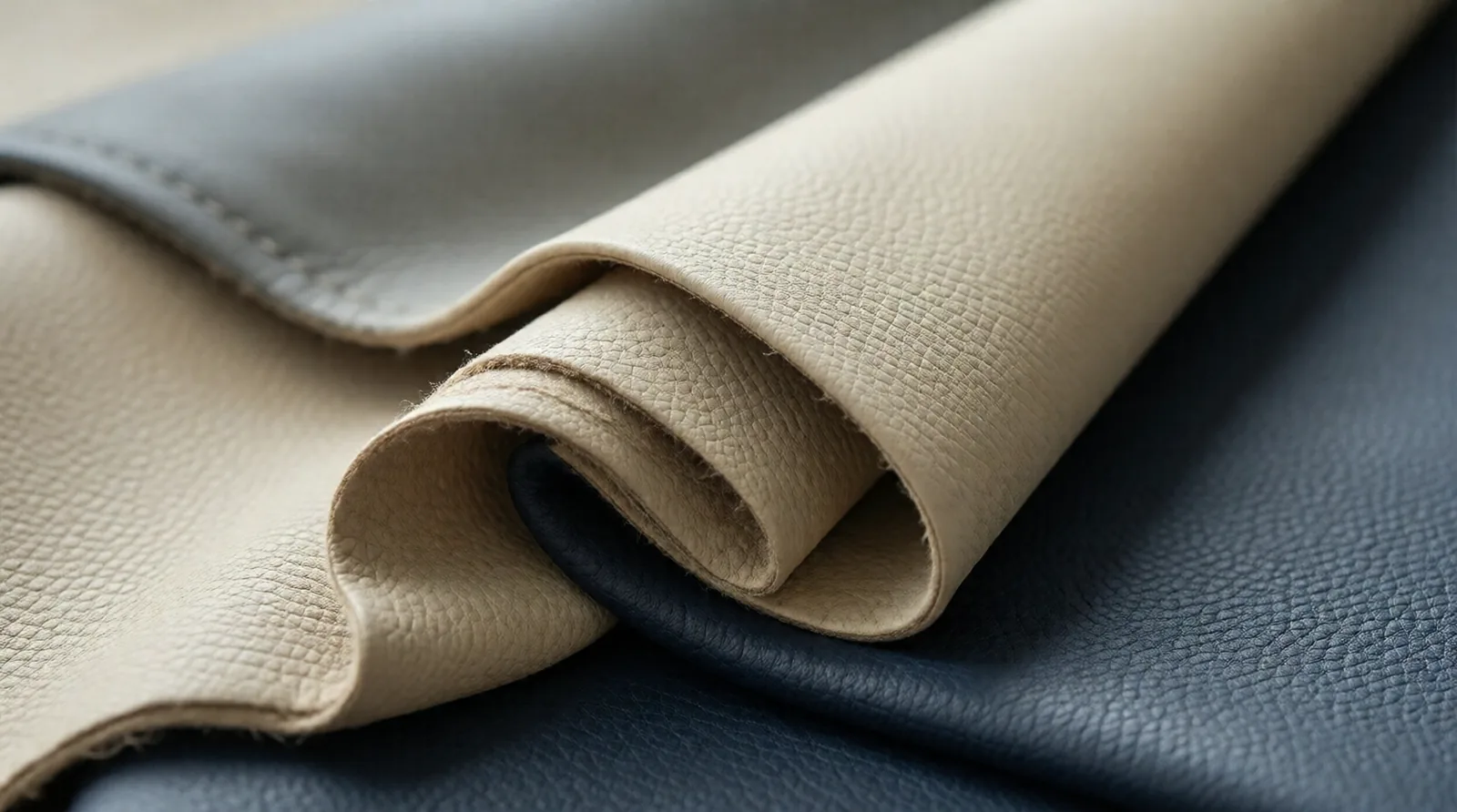
Close-up staged image of cream and navy silicone leather swatches showing the surface grain
  • Silica-based raw material
  • Solvent- and plasticiser-free process
  • No hydrolysis
  • Flame retardant without additives
Six properties

The six properties from our supplier’s catalogue, expanded with what overseas silicone-leather makers consistently report.

01

Eco-friendly and non-toxic

Made from silica-derived silicone and processed without solvents or plasticisers, so there is little concern about phthalates or DMF. Low odour and low VOC make it suitable for seats and bedding that people touch for long periods.

Absence of specific substances is confirmed by the test report for each product.
02

Surface strength and abrasion resistance

Resists surface scratches and does not deform easily. Overseas makers commonly quote Martindale abrasion grades of 100,000 cycles and above.

The grade depends on the base material and thickness.
03

Flame retardancy

Silicone itself does not burn readily, so the material is flame retardant without added fire-retardant chemicals, and the property survives repeated cleaning. If it does burn, it gives off little smoke and toxic gas.

Standards such as FMVSS 302 (automotive) or CA TB117 (furniture) are confirmed per application.
04

Chemical resistance, no hydrolysis

Resists water and organic solvents, and is free of hydrolysis, the chronic weakness of PU synthetic leather where the surface turns tacky or cracks in warm, humid conditions. Wiping with alcohol or diluted bleach does not damage the surface.

Disinfectant type, concentration and frequency are confirmed for the actual environment.
05

Soft hand and durability

The softness and flexibility of the base remain after coating, so the smooth, skin-like hand lasts. It does not crack at low temperatures and stays stable at high ones, giving a wide service temperature range.

06

Waterproof and stain-resistant

Its low surface tension makes liquids bead up instead of soaking in, and stains such as coffee, ballpoint ink or denim dye transfer wipe off with a damp cloth. Suitable for industrial and household seating and for sports and functional apparel.

Structure and performance

Three-layer structure of the coated fabric

① Slip layer② Silicone layer③ Bonding layerBase · Fabric, synthetic leather or genuine leather
  1. ① Slip layerSurface texture, function, grip
  2. ② Silicone layerThickness control
  3. ③ Bonding layerAdhesion to the base
  4. BaseFabric, synthetic leather or genuine leather

Three layers with different roles are pressed onto the base. The combination and formulation of the silicone layer and the base let texture, hand, colour and function be tuned to the use, and the choice of base changes weight, stretch and price.

Compared with synthetic and genuine leather

AbrasionStain resistanceTensile strengthFlame retardancyWaterproofnessEnvironmental impact
Silicone leather◎◎◎◎◎◎
Synthetic leather (PU)△○○△○△
Genuine leather△△○○△△

◎ excellent · ○ good · △ fair. Based on the supplier’s in-house test data; performance varies with conditions of use.

Where it differs most from PU synthetic leather

Hydrolysis

In polyester-based PU the ester bonds break down under heat and humidity, so the surface can turn tacky or peel after a few years. Silicone has no such bonds.

Light fastness

Aromatic PU tends to yellow in light. Silicone is UV-stable, so it is also used for seating near windows or semi-outdoors.

Flame retardancy and disinfection

PU often needs fire-retardant additives to meet standards and can be weakened by alcohol disinfection. Silicone is inherently flame retardant and tolerates disinfectants.

Which of our three materials fits your use

The three are not substitutes for one another but options for different jobs. Tell us your requirements and we will suggest the right one.

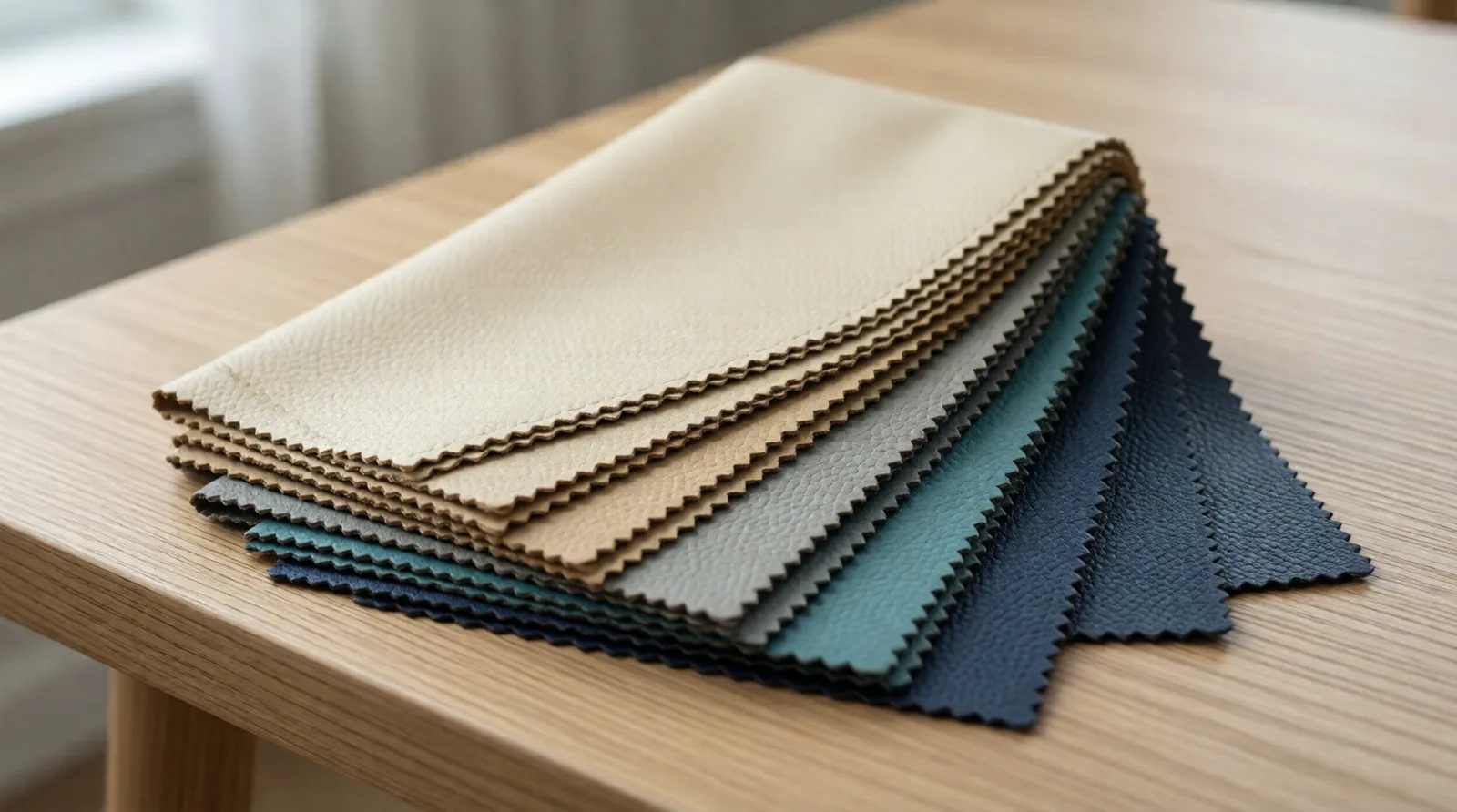
Staged image of silicone leather sample swatches in several colours fanned out on a table
Core line

PVC leather

Durability, waterproofness and price competitiveness. The standard choice across furniture, car seats, bags and interiors.

Premium

Silicone leather

For uses that need eco-friendliness, flame retardancy and chemical resistance together: healthcare and care homes, transport seating, hotels, baby products. The unit price is higher, but it is worth comparing total cost including cleaning effort and replacement cycles.

Flexible

Synthetic leather

Soft hand and a wide range of textures and colours. Suits apparel, accessories and interior materials, from small lots to volume.

Main applications

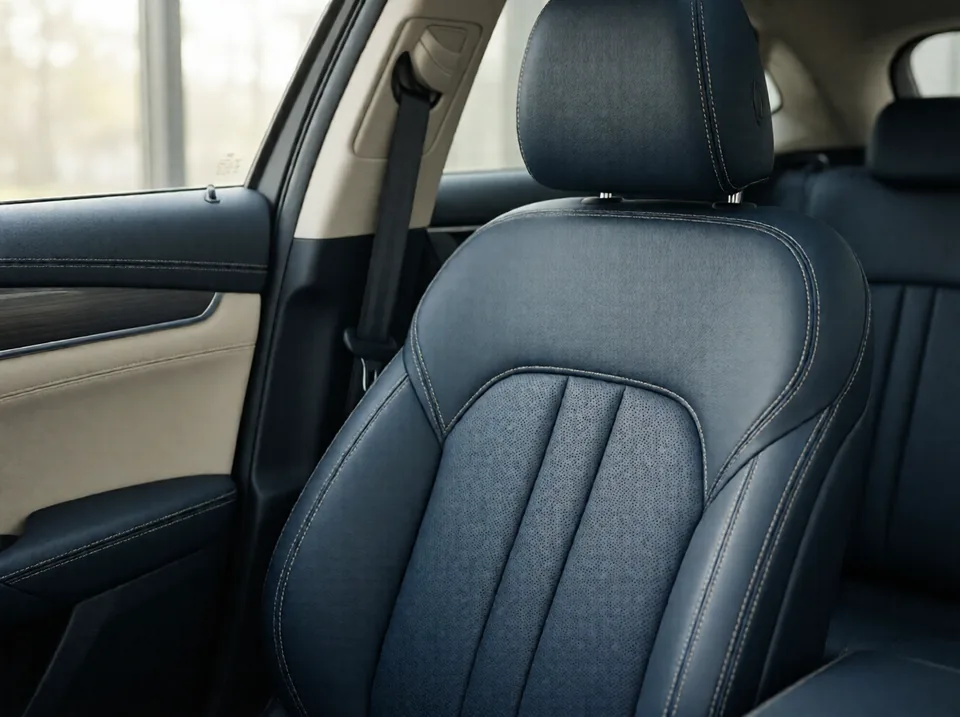
Staged image of a car seat upholstered in navy silicone leather
Automotive interiors
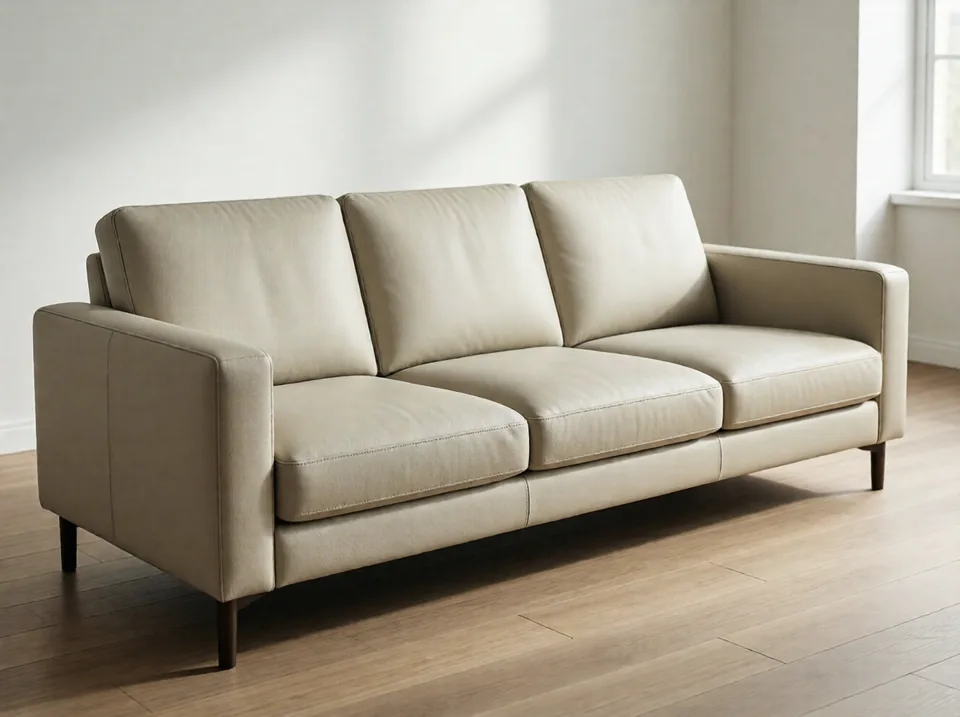
Staged image of a cream silicone leather sofa in a bright living room
Furniture and sofas
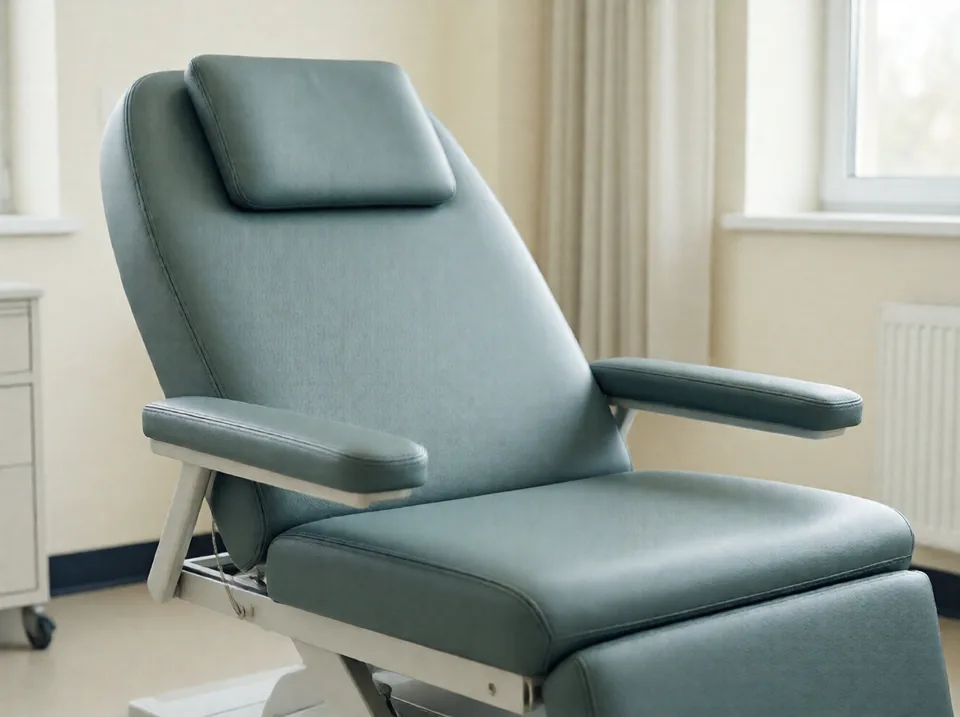
Staged image of a silicone leather recliner in a bright clinic room
Healthcare and care
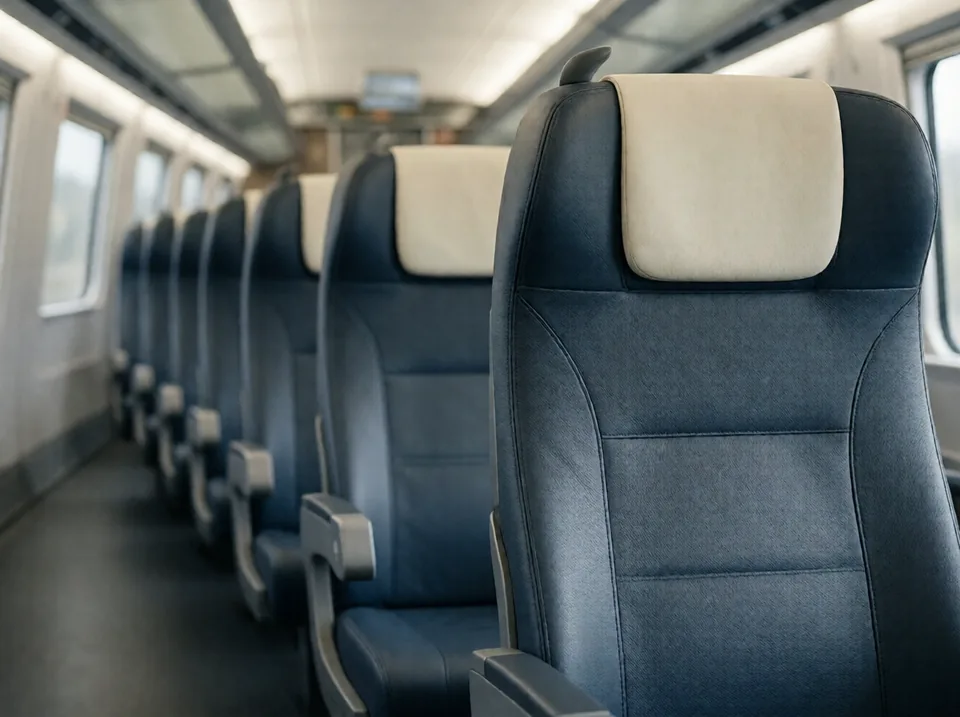
Staged image of a row of navy silicone leather train seats
Rail and bus seating

Care

Routine cleaning

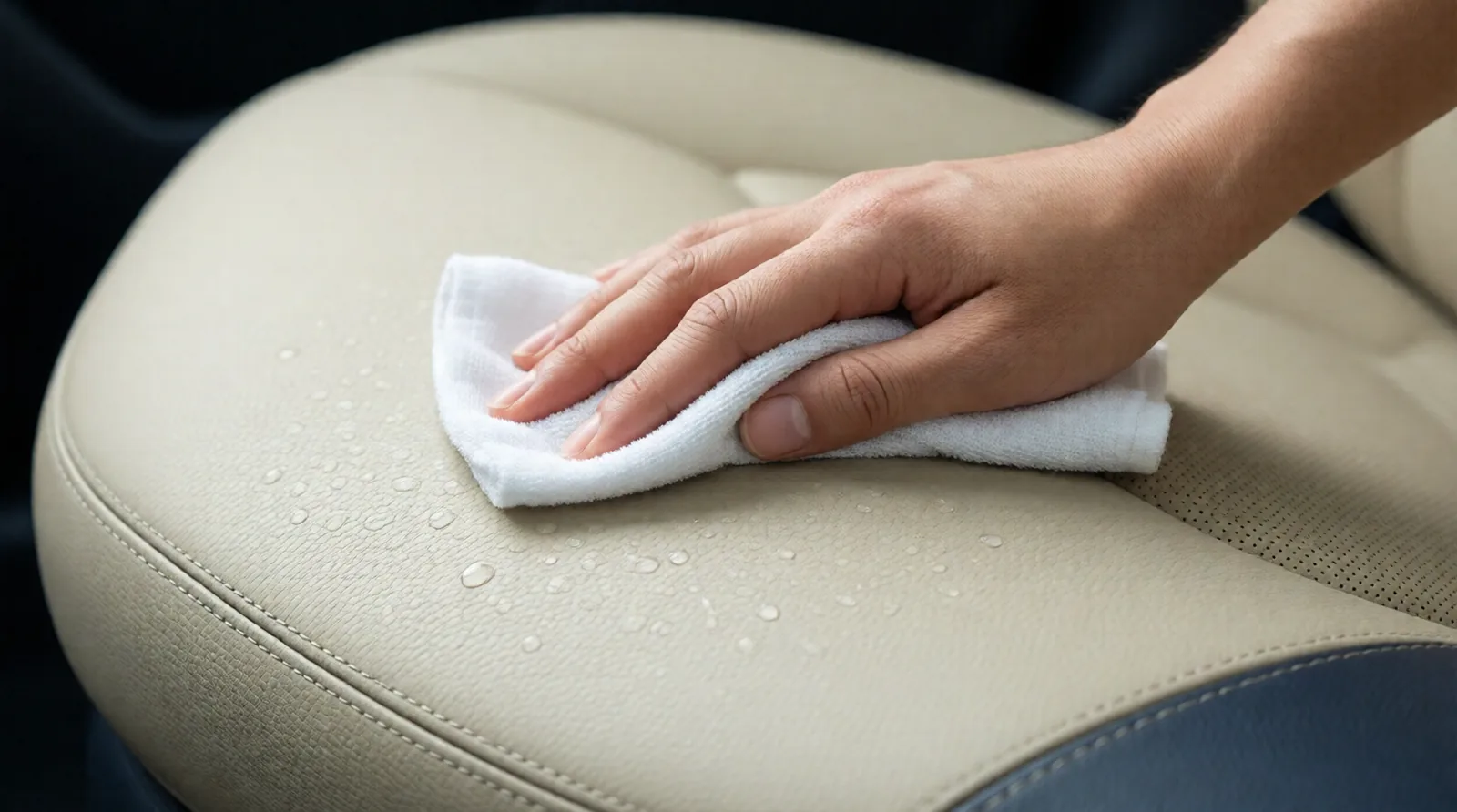
Wipe with a cloth dampened in water with mild detergent and finish with a dry cloth. Remove dust with a soft brush or vacuum cleaner.

Stains and disinfection

Ballpoint ink and coffee come off with a damp cloth. For stubborn marks use rubbing alcohol or bleach diluted about 1:10, then rinse with clean water. Test on an inconspicuous spot first.

Avoid

Abrasive cleaners, rough scouring pads and waxes or polishes can damage the surface. Follow the cleaning code of each product for permitted agents and concentrations.

Staged image of a white cloth wiping a silicone leather surface with water droplets beading on it

Frequently asked questions

How does silicone leather differ from PU synthetic leather?

The surface resin is different. PU feels closer to leather and costs less, but is weak against hydrolysis, yellowing and fire; silicone is free of hydrolysis, resists UV and disinfectants, and is flame retardant without additives. Choose PU when hand and price come first, silicone when lifespan and hygiene come first.

Can it be coated onto genuine leather?

Yes. Silicone can be coated not only onto fabric and synthetic leather but onto genuine leather, adding stain and chemical resistance while keeping the leather’s texture. The specification is set after a trial coating on each base.

Is repeated alcohol disinfection a problem?

Silicone tolerates common disinfectants such as alcohol and diluted bleach well. Results still vary with the agent, concentration and frequency, so tell us your environment and we will check the test data for those conditions.

Can it meet flame standards for vehicles and rail?

Silicone’s inherent flame retardancy helps, but compliance depends on the base, formulation, thickness and test conditions. Tell us the required standard (for example FMVSS 302 or rail interior rules) and we will confirm it with the supplier.

Is it more expensive than PVC or PU?

Generally the unit price is higher. In return it is easy to clean and never needs replacing because of hydrolysis, so it often wins on total cost over the service life. Ask us for a quotation by quantity and specification.

Can we get samples and test reports?

After a consultation we provide samples and the test data for that specification. Colour, texture, thickness and base can be made to order, and minimum quantity and lead time are advised per specification.

This page is a general description based on the supplier’s catalogue and public material from overseas silicone-leather makers and industry guides. Specific figures such as abrasion cycles, flame standards and disinfectant tolerance vary with base, formulation and colour, so for an actual review we confirm them with the test report for that specification. The images on this page are staged illustrations of the material, not photos of a specific product. We show the real thing with samples.

Silicone leather samples and quotes

Tell us the application and requirements and we will propose a suitable specification within one business day.